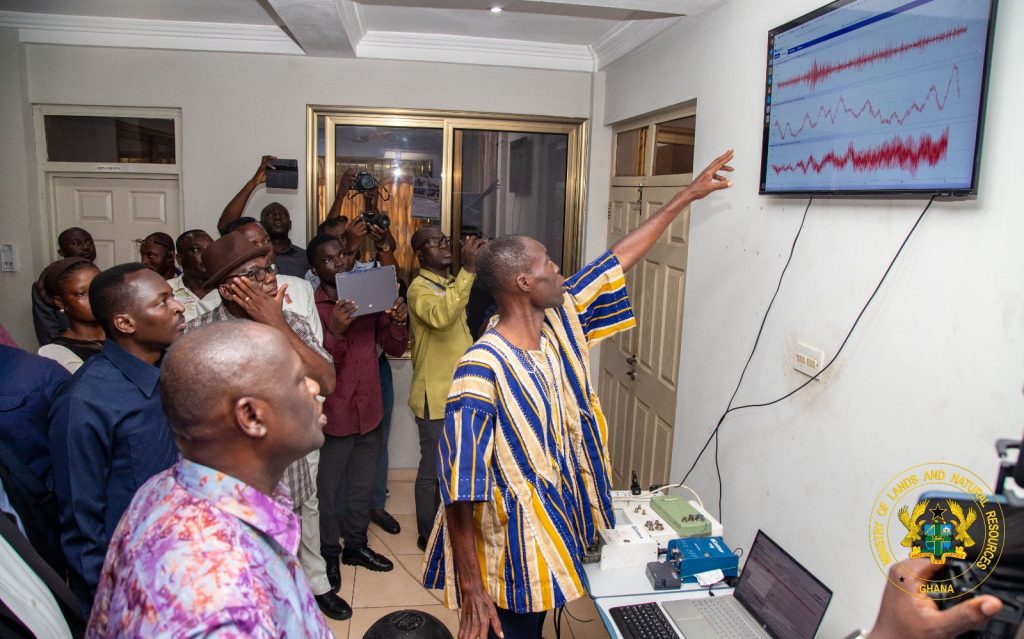
Real-Time Earthquake Monitoring Now a Reality as Ghana Upgrades 20 Seismic Stations
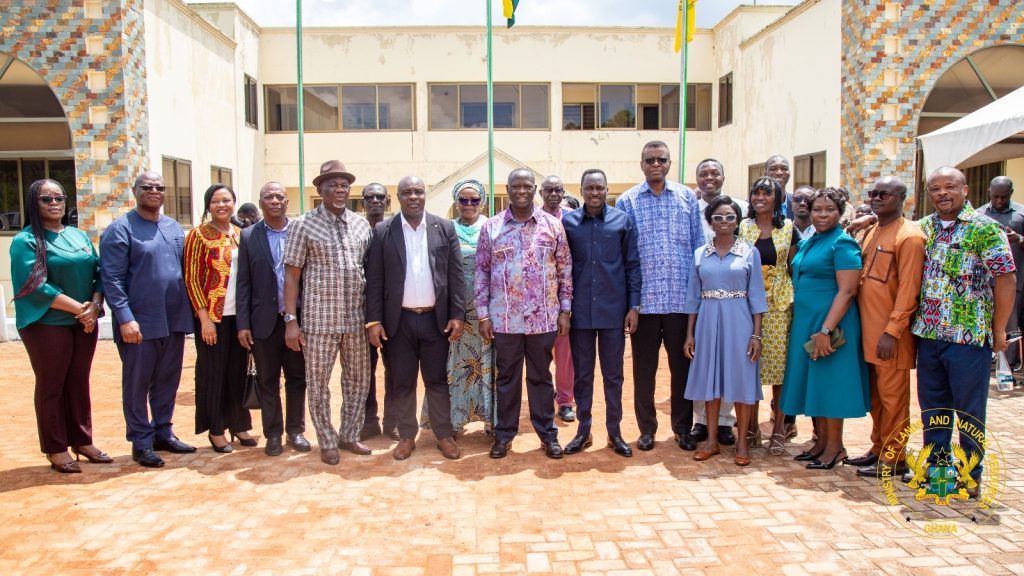
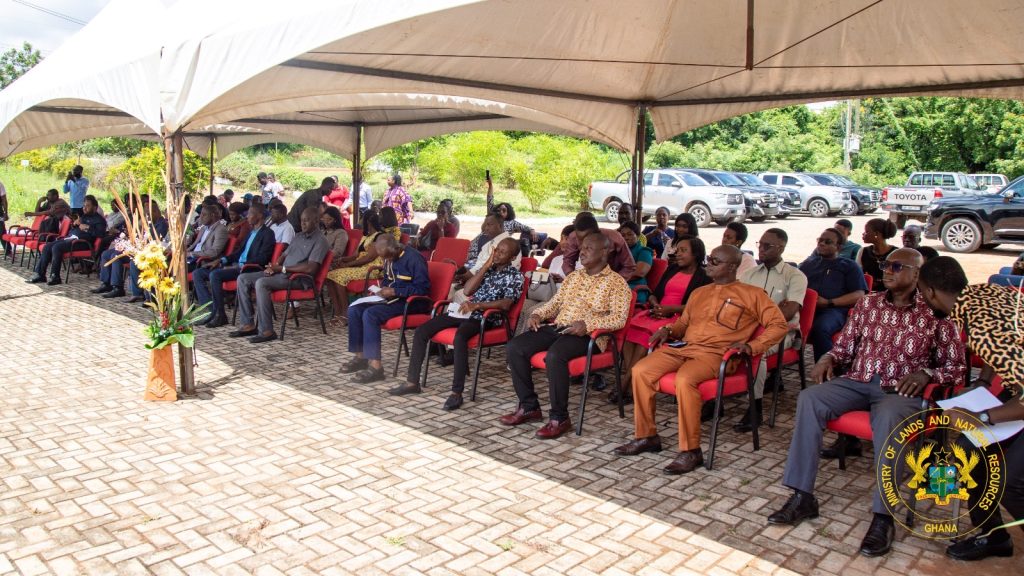
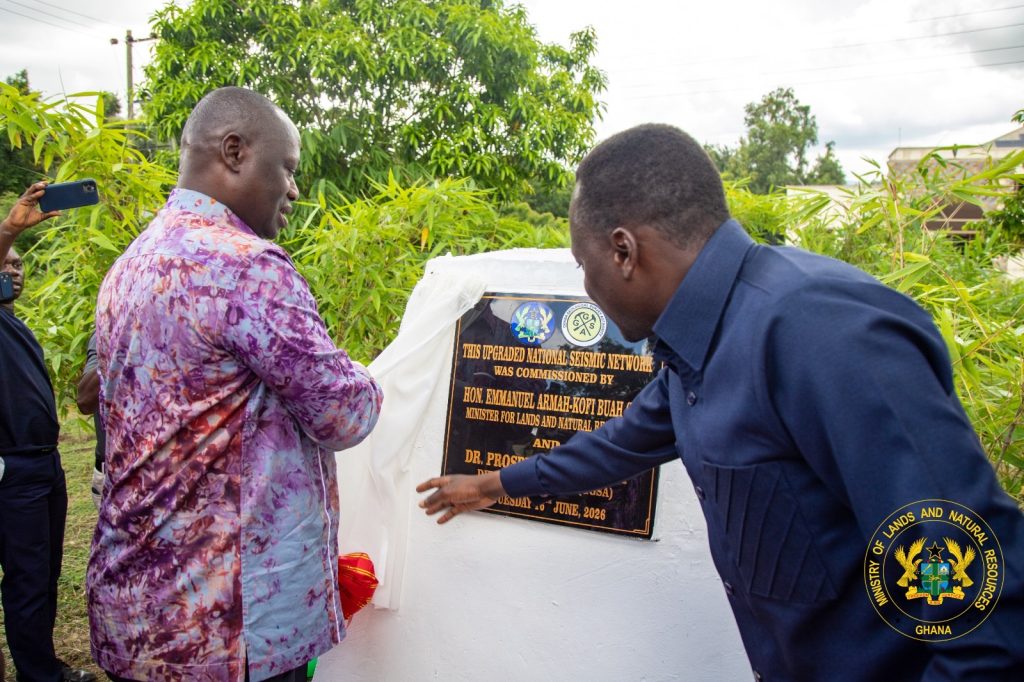
Ghana has significantly strengthened its earthquake monitoring and disaster preparedness capabilities with the commissioning of an upgraded National Seismic Monitoring Network by the Ghana Geological Survey Authority (GGSA) under the auspices of the Ministry of Lands and Natural Resources. The milestone initiative, unveiled at a ceremony on Tuesday, 16th June,2026, equips the country with modern […]
Ghana has significantly strengthened its earthquake monitoring and disaster preparedness capabilities with the commissioning of an upgraded National Seismic Monitoring Network by the Ghana Geological Survey Authority (GGSA) under the auspices of the Ministry of Lands and Natural Resources.
The milestone initiative, unveiled at a ceremony on Tuesday, 16th June,2026, equips the country with modern technology capable of transmitting real-time seismic data, enhancing the nation’s ability to detect, monitor and respond to earthquake activity.
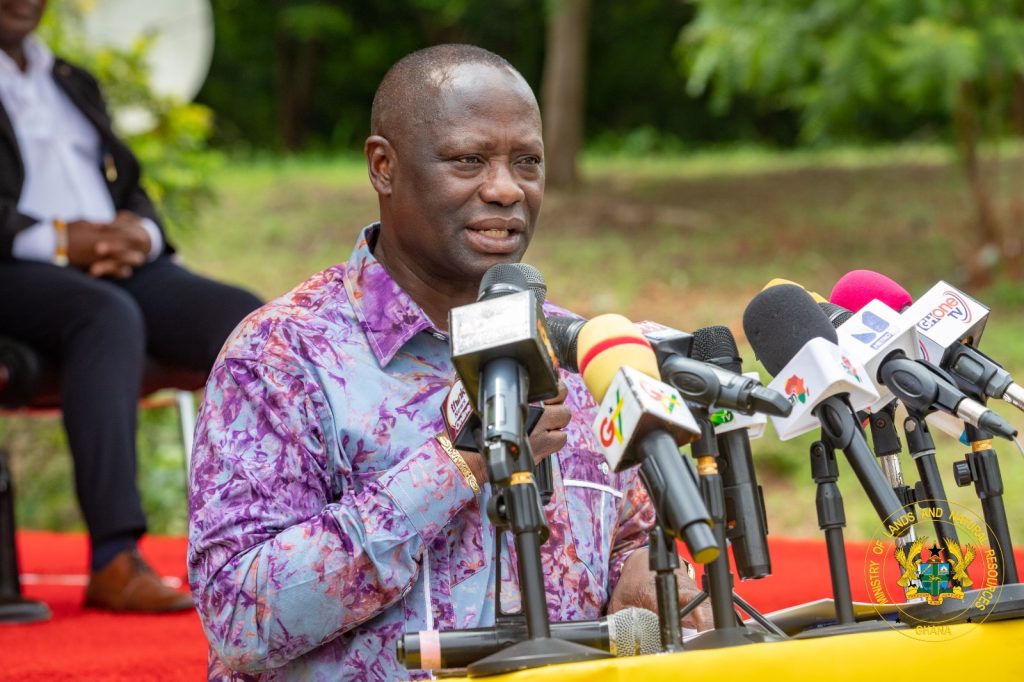
Delivering the keynote address, the Minister for Lands and Natural Resources, Hon. Emmanuel Armah-Kofi Buah stressed that seismic preparedness has become a national imperative, given that critical infrastructure such as Tema Harbour, Kotoka International Airport, the Akosombo dam among other strategic facilities, are located on or near active fault systems.
The Minister noted that recent earth tremors recorded between 2018 and 2023 serve as a stark reminder that seismic risks remain real and cannot be treated as a distant scientific concern.
Describing Accra as both the nation’s economic hub and its most seismically active area, he warned that rapid urbanisation, informal settlements and weak enforcement of planning regulations could amplify the impact of a major earthquake.
To address these concerns, he announced a series of policy interventions, including mandatory seismic assessments for building permits, annual structural audits of critical infrastructure, stricter enforcement of the Ghana Building Code and enhanced public education on earthquake safety.
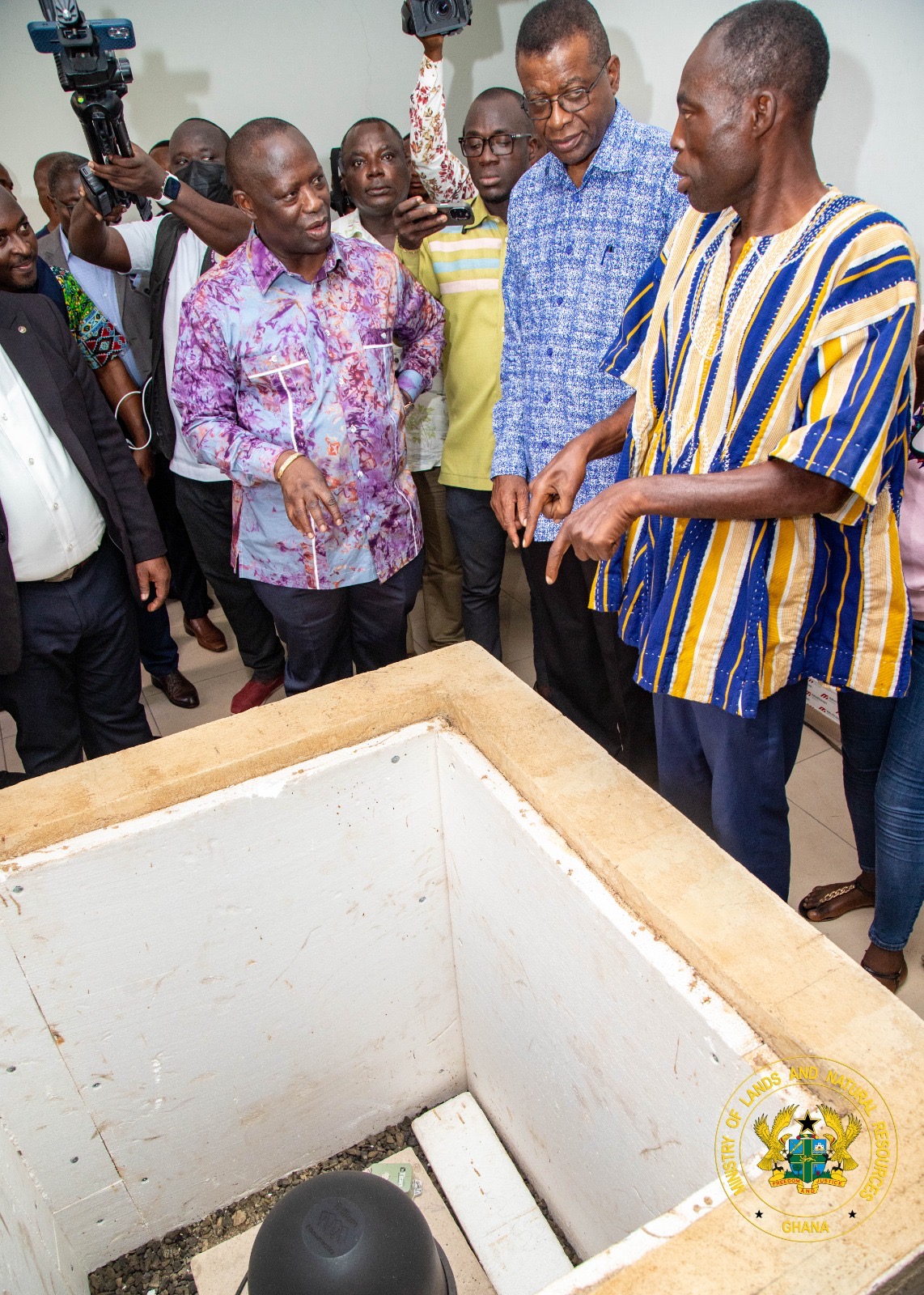
In his opening remarks, the Director-General of GGSA, Dr. Prosper Akaba, described the event as a major milestone in Ghana’s efforts to improve earthquake monitoring, infrastructure resilience, and public safety. Dr. Akaba said, the newly modernised network incorporates broadband seismometers, strong-motion accelerographs, solar-powered remote stations, advanced telemetry systems and state-of-the-art data management platforms.
He announced that 20 out of the country’s 21 seismic stations have been successfully upgraded and are now transmitting continuous real-time data, with the remaining station at Asankragua expected to be completed once security concerns are resolved.
Both the Ministry and GGSA expressed confidence that the enhanced network will provide the accurate scientific data needed to improve hazard assessments, strengthen infrastructure design, guide national planning and ultimately safeguard lives and property across the country.
End
Mlnr Pr-Updates