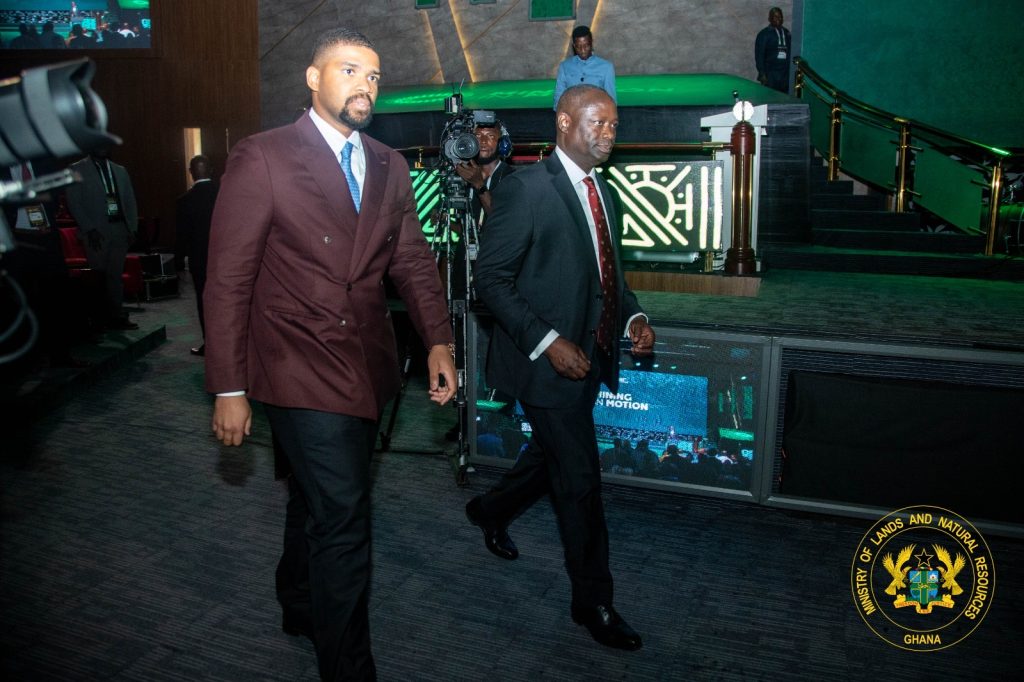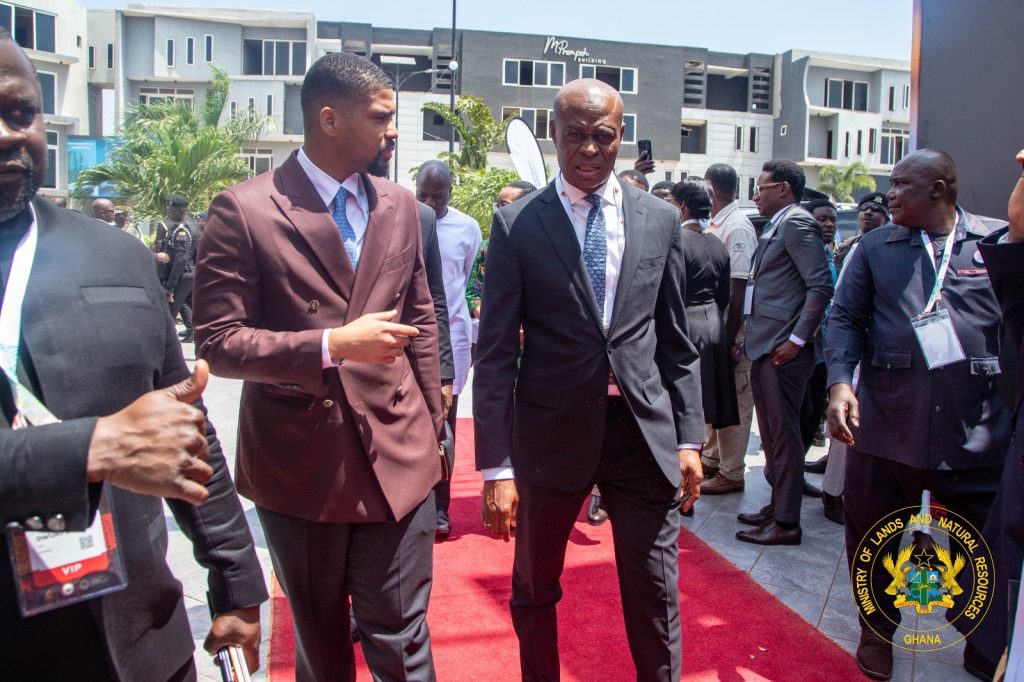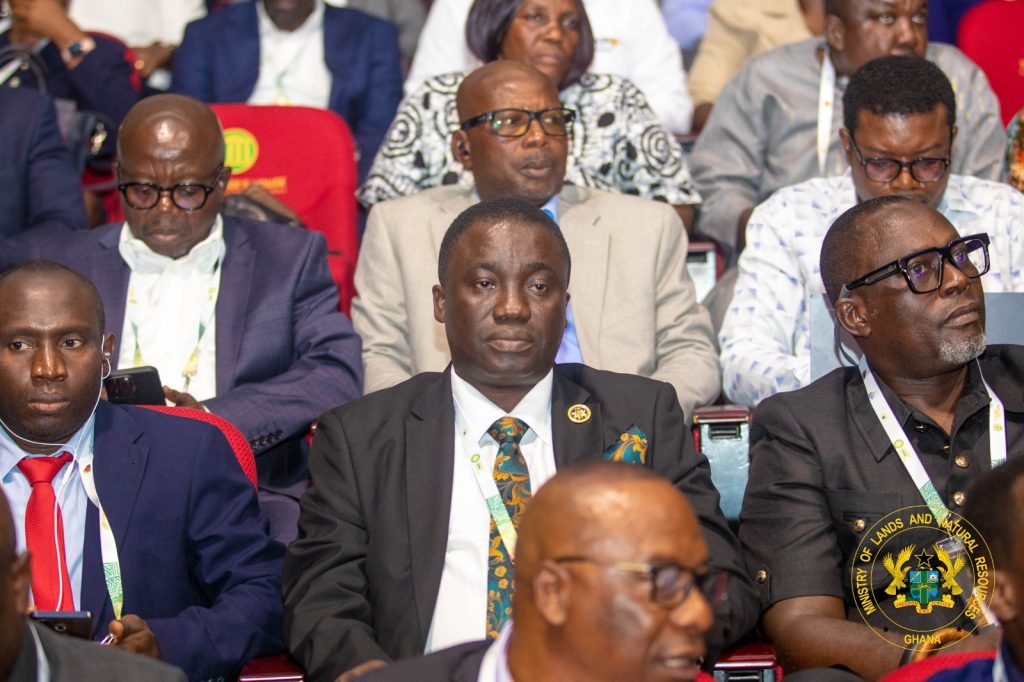
“By 2030, Raw Minerals Should No Longer Leave Our Shores” — Prez Sets Bold Agenda for Africa’s Mineral Sovereignty
President John Dramani Mahama has set an ambitious target for Ghana to end the export of unprocessed mineral ores by 2030, challenging African leaders to turn the continent’s vast mineral wealth into industries, jobs and lasting prosperity for its people. Addressing the Mining in Motion Summit on the theme “The Accra Reset and Africa’s Mineral […]
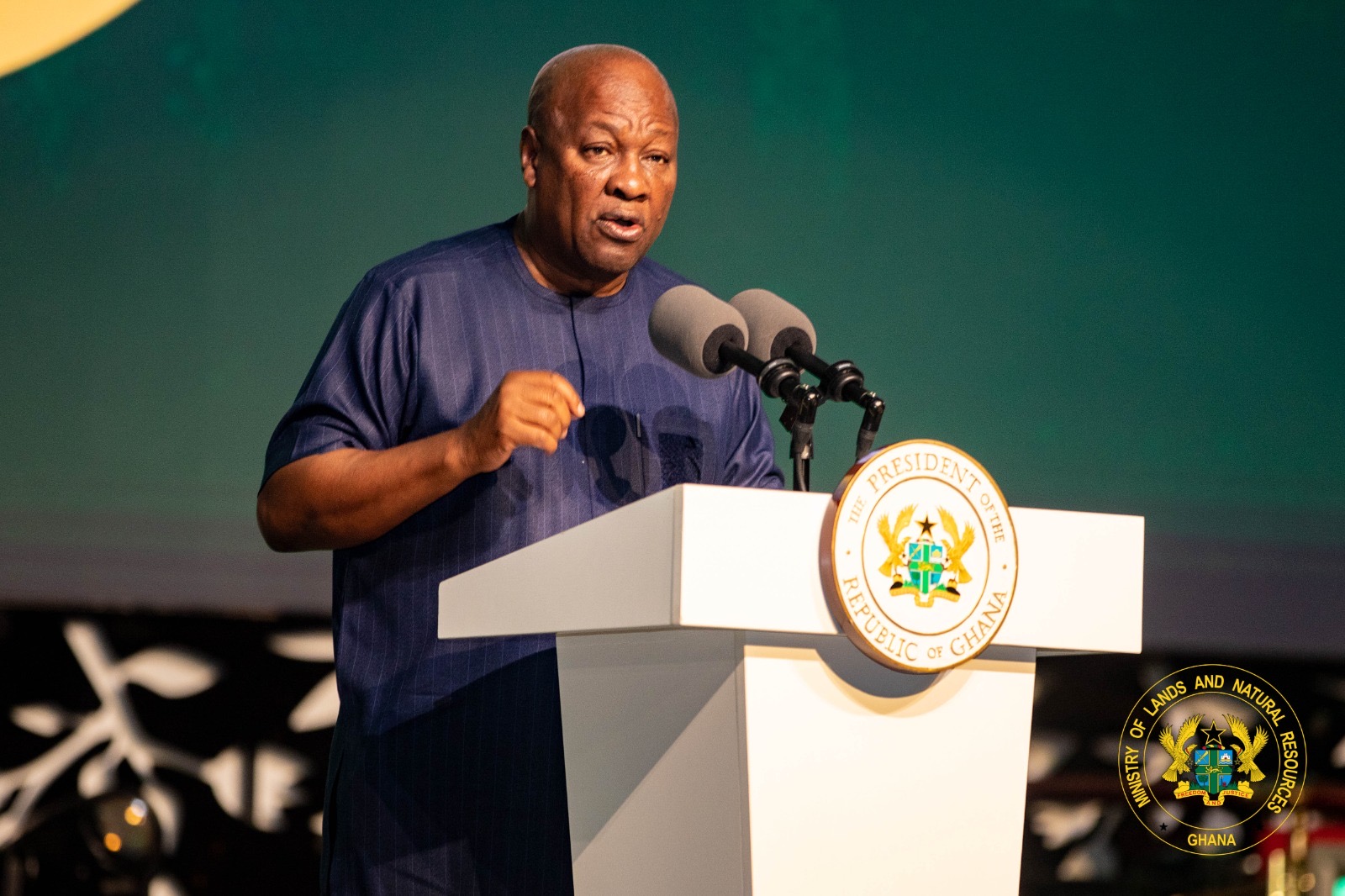
President John Dramani Mahama has set an ambitious target for Ghana to end the export of unprocessed mineral ores by 2030, challenging African leaders to turn the continent’s vast mineral wealth into industries, jobs and lasting prosperity for its people.
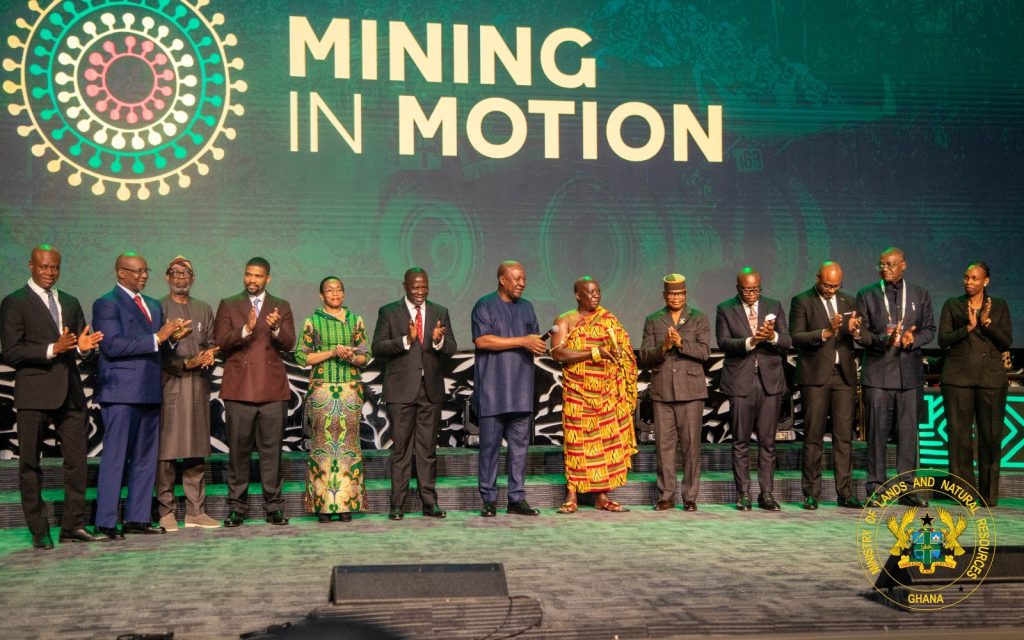
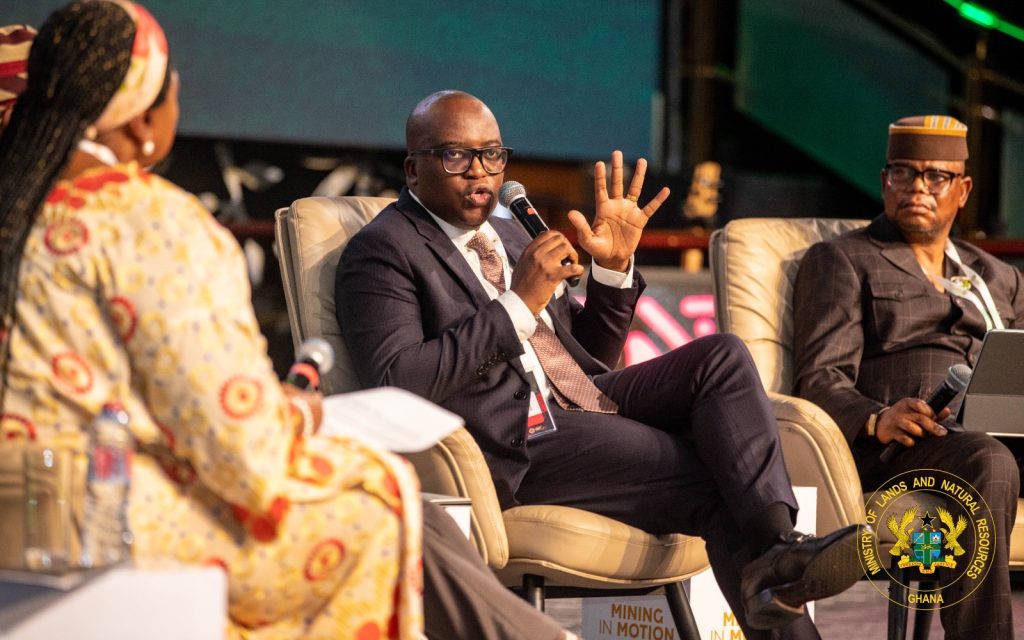
Addressing the Mining in Motion Summit on the theme “The Accra Reset and Africa’s Mineral Sovereignty,” the President argued that Africa could no longer afford to supply the raw materials powering the world’s industries while importing finished products made from its own resources.
“Will our copper bring electricity to African homes? Will our bauxite power African factories?” he asked, challenging delegates to rethink how mineral agreements are negotiated and how the benefits of extraction are shared.
Drawing attention to Ghana’s long history of exporting raw minerals, President Mahama said the country had watched its manganese and bauxite leave through its ports for decades, only to import finished products manufactured elsewhere. That pattern, he argued, had cost Ghana valuable opportunities for skilled employment, technological advancement and industrial growth.
The Accra Reset, he explained, was intended to change that relationship by strengthening domestic processing and connecting mineral extraction to manufacturing. He cited ongoing efforts in the bauxite-to-aluminium value chain, iron ore and steel production, manganese processing and gold refining as important steps towards retaining more value locally.
The President also announced his intention to pursue a phased prohibition on exports of unprocessed mineral ores, backed by the necessary legal measures and clear implementation timelines.
Pres Mahama said Africa’s mineral ambitions would be stronger if countries worked together rather than competed against one another for investment on unfavourable terms. He called for regional value chains that would allow minerals mined in one country to be processed in another and supplied to manufacturers across the continent.
The President maintained that mineral development could not be considered successful if communities were left with polluted rivers, damaged farmland and few lasting benefits.
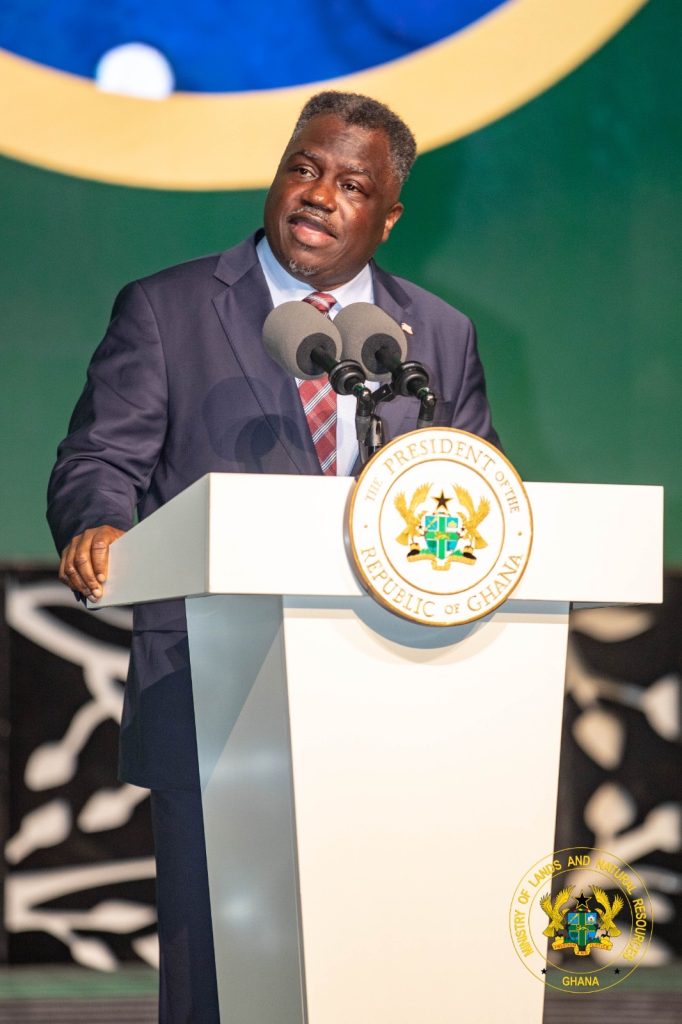
Liberia’s Vice President, H.E Jeremiah Kpan Koung Sr. in his key note address, echoed the call for Africa to move beyond raw mineral exports and build a stronger industrial base around its natural resources. He said the continent needed a common policy direction that respected each country’s sovereignty while establishing shared principles for fair returns, environmental protection and competitive industries.
He outlined priorities including reliable energy and transport infrastructure, stronger geological institutions, transparent resource management, meaningful community participation and support for responsible artisanal and small-scale mining.
He also called for closer regional cooperation on technology transfer, local procurement and mineral processing, stressing that mining communities must continue to benefit long after extraction ends.
The Vice President urged African countries to turn existing continental frameworks into practical projects with measurable results, supported by investment, financing and regular reviews of progress.
His message reinforced the summit’s central challenge: Africa must use the growing global demand for minerals not simply to increase exports, but to build industries, expand opportunities and secure a greater share of the prosperity generated by its own resources.
End
Mlnr Pr-Updates