Lands Ministry Charts Bold 2026 Path at Management Retreat
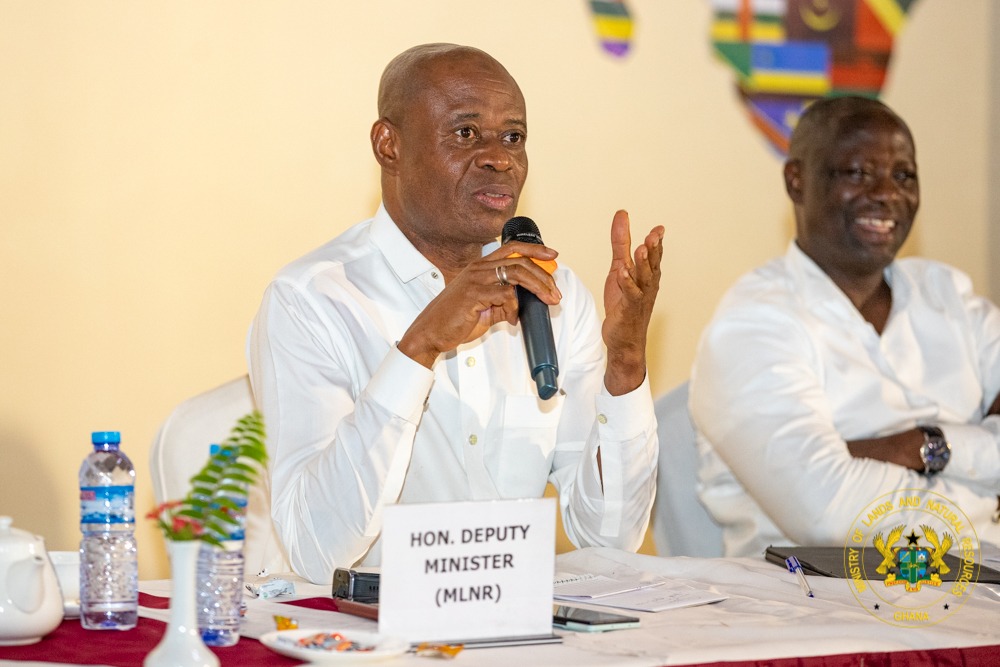
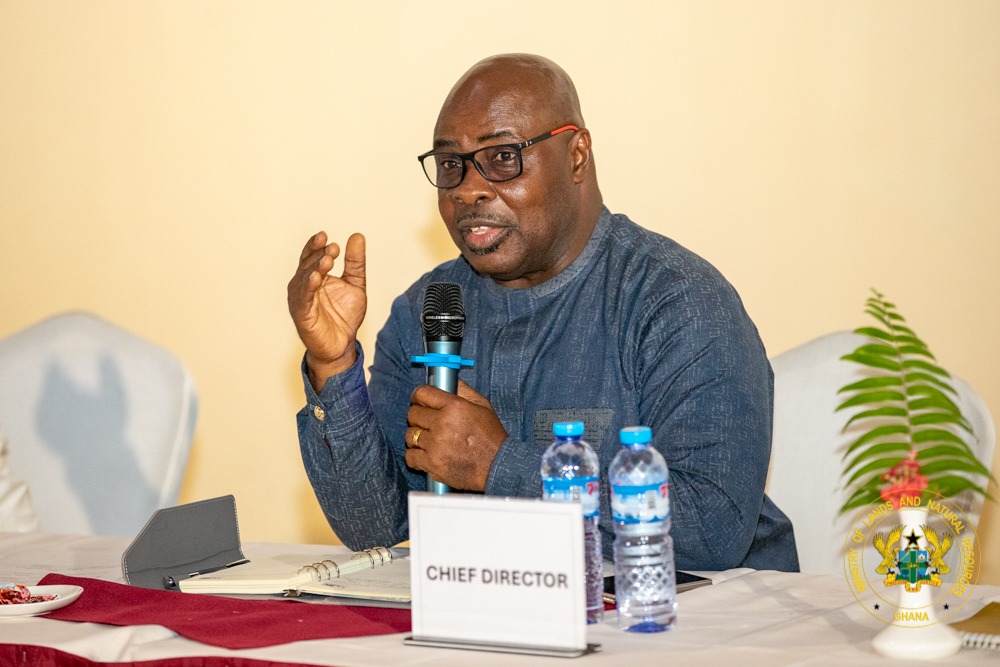
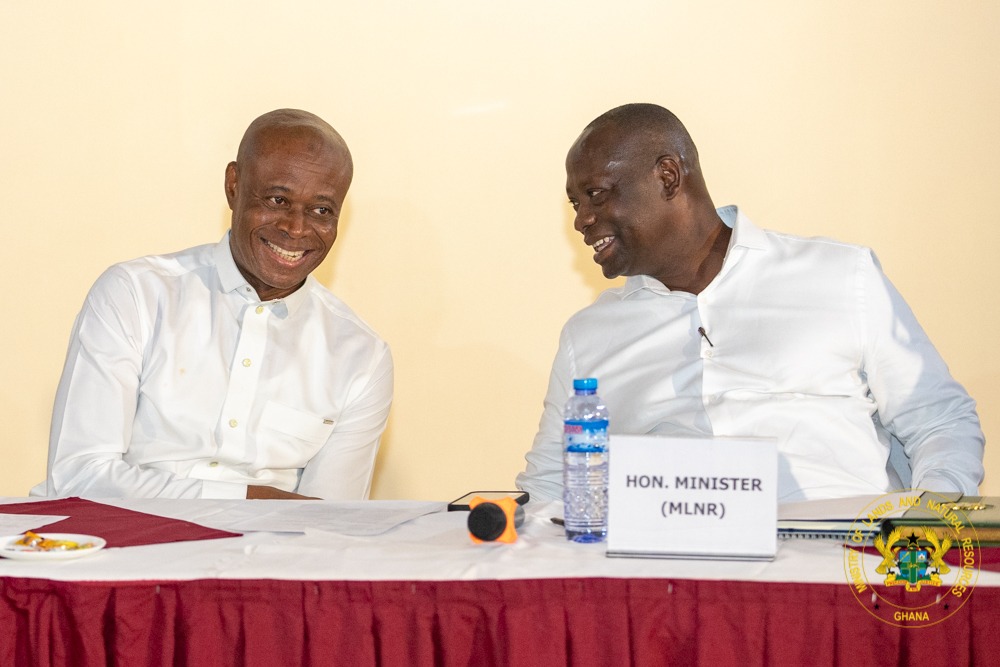
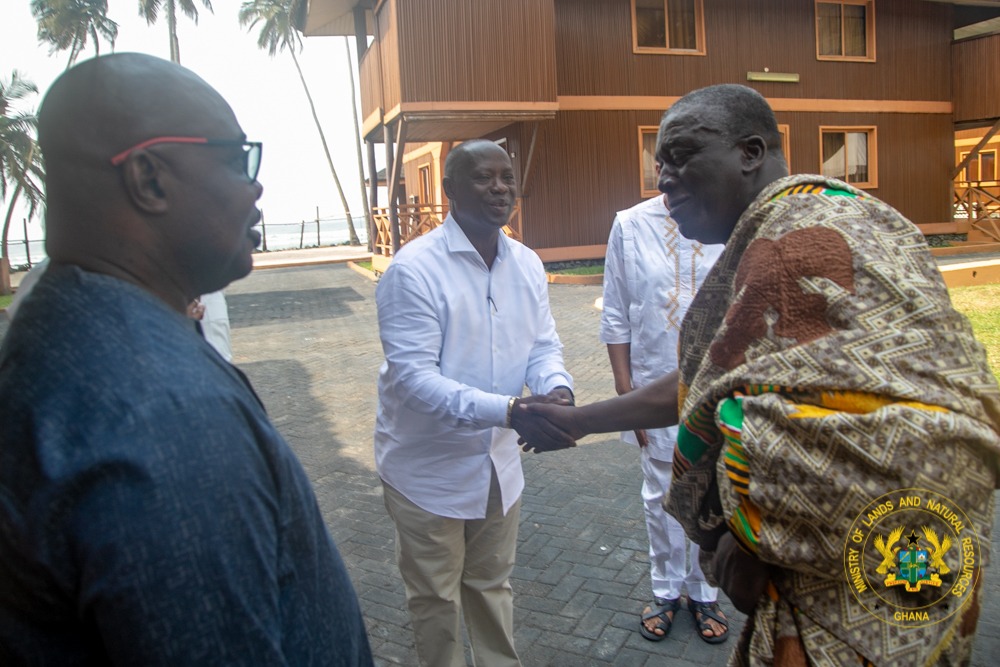
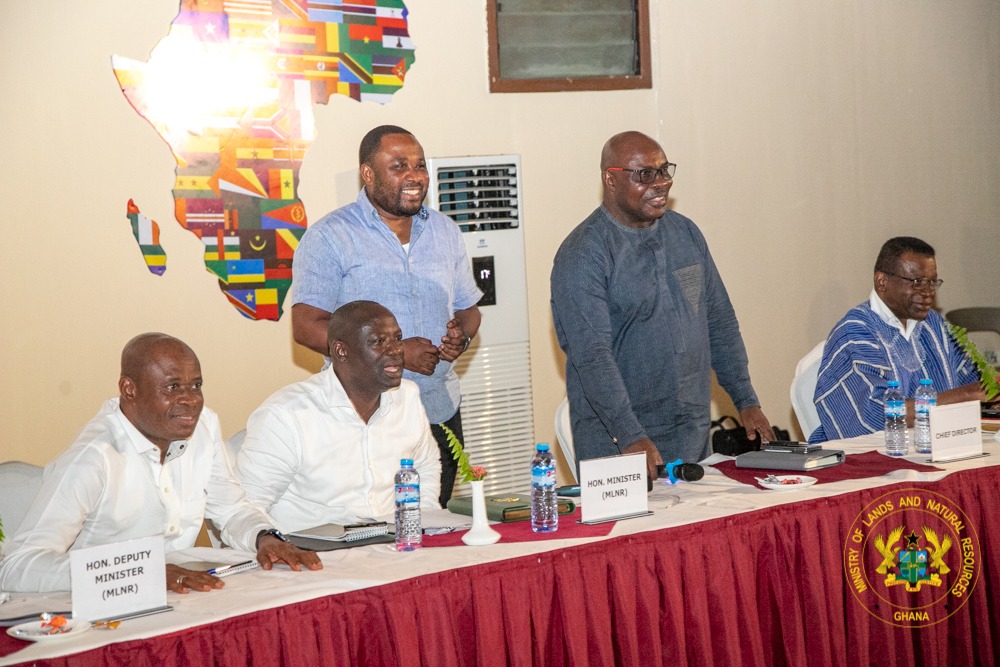
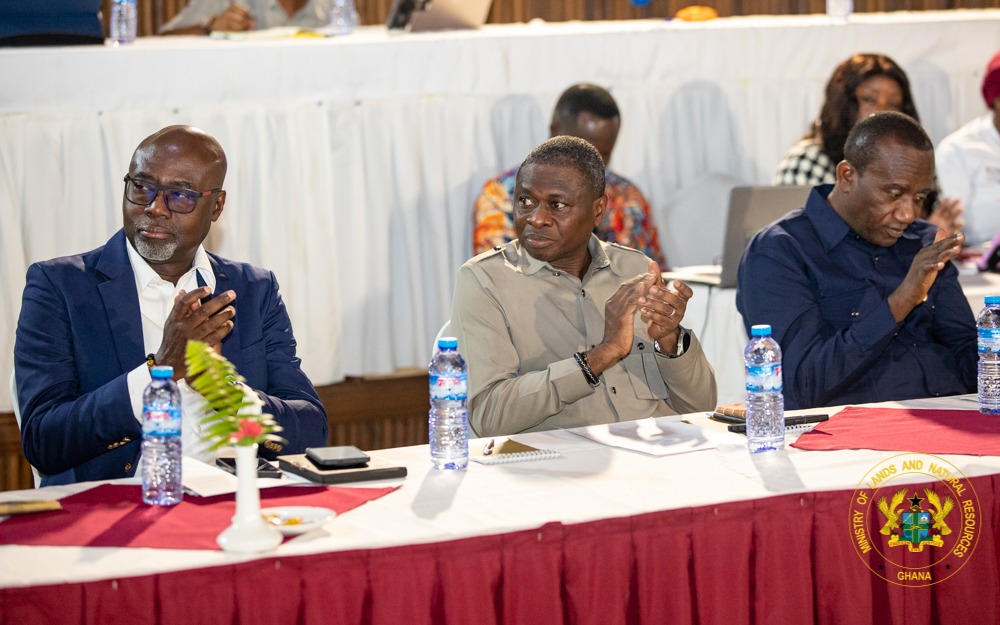
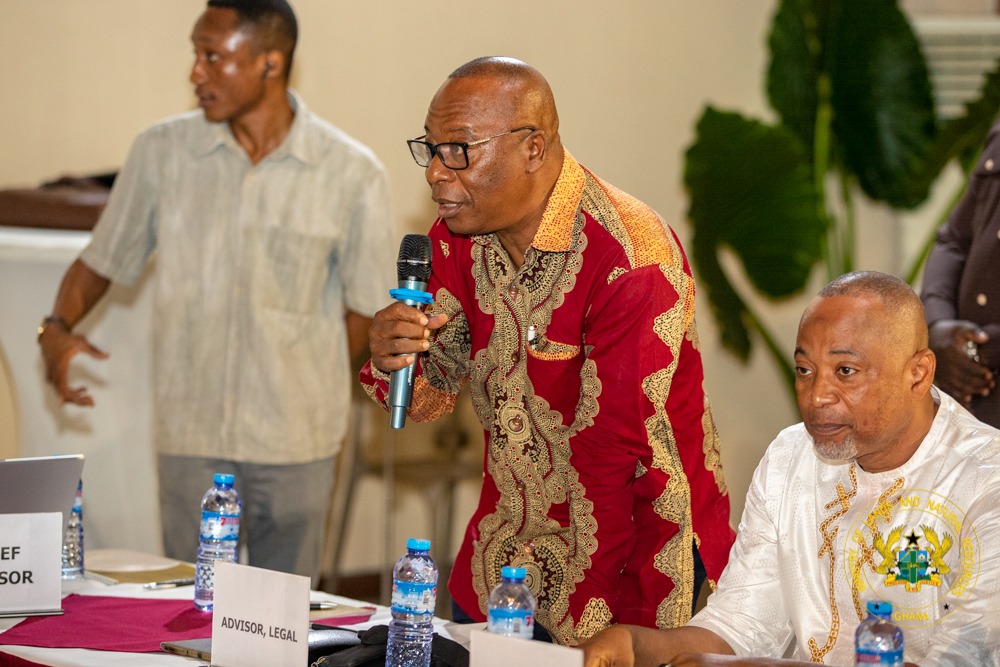
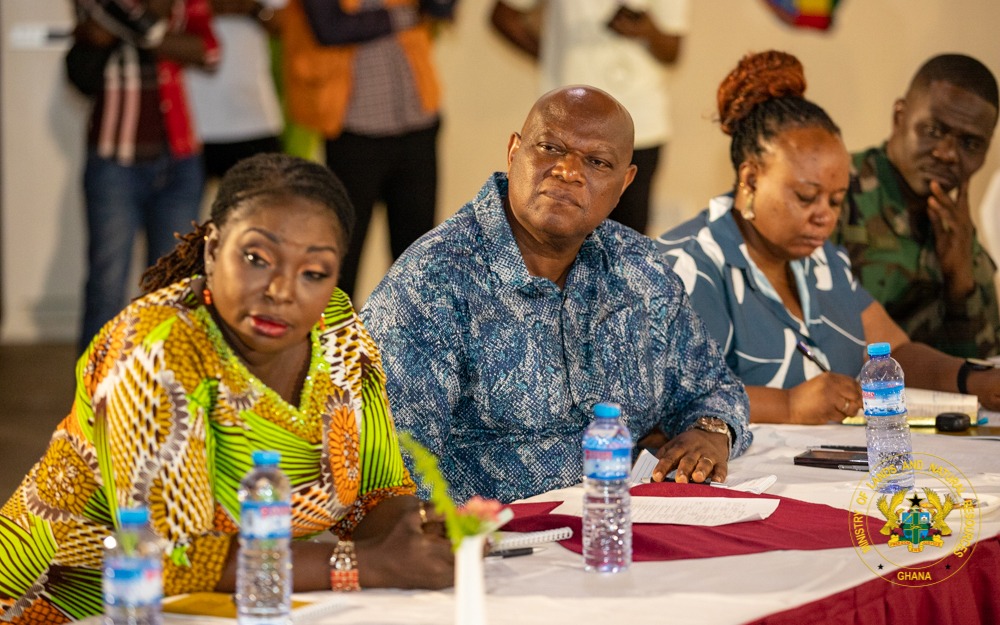
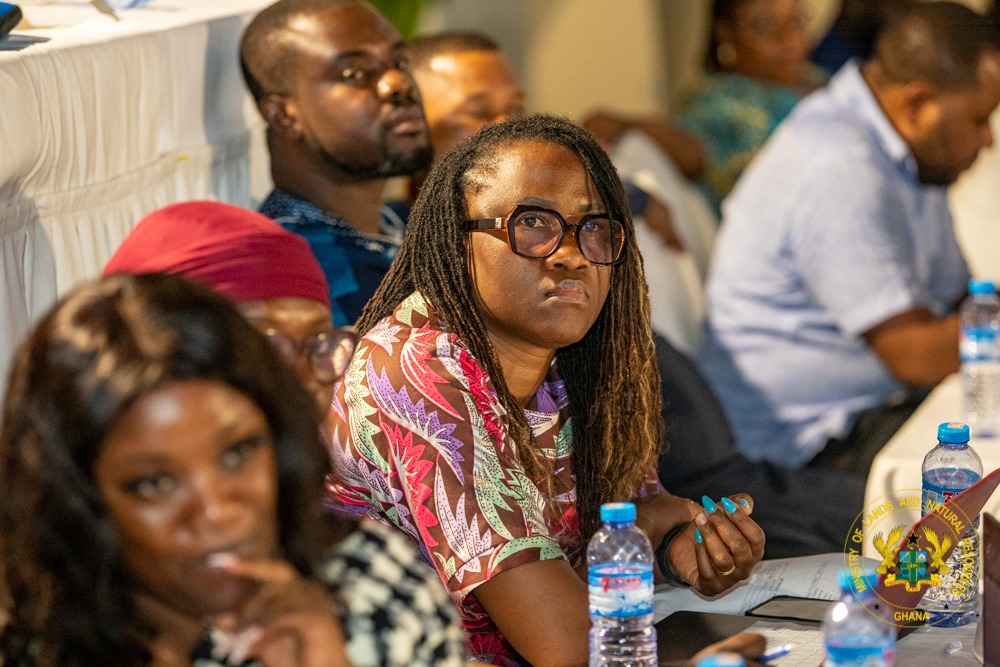
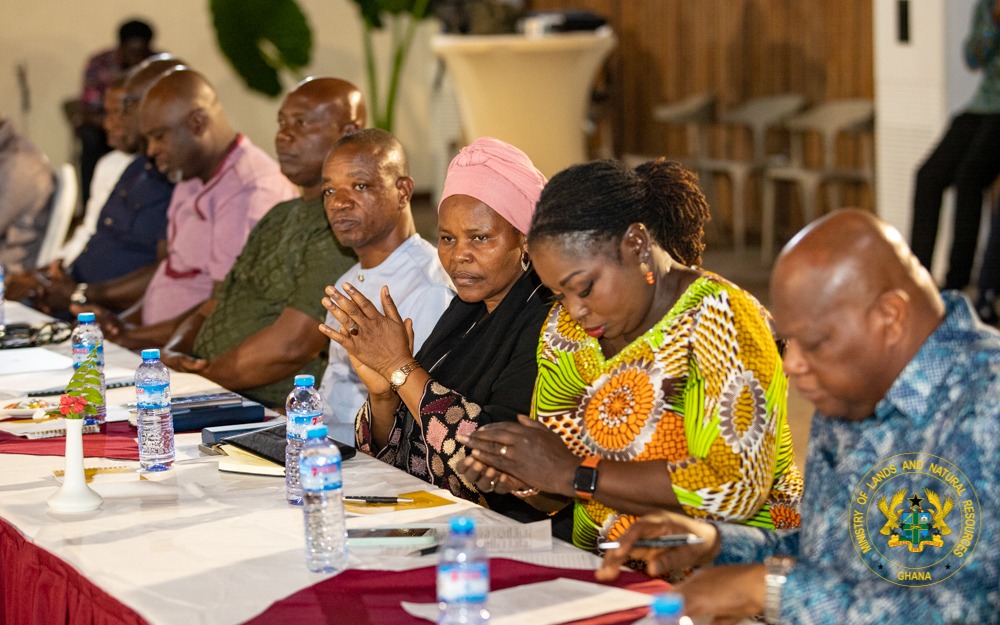
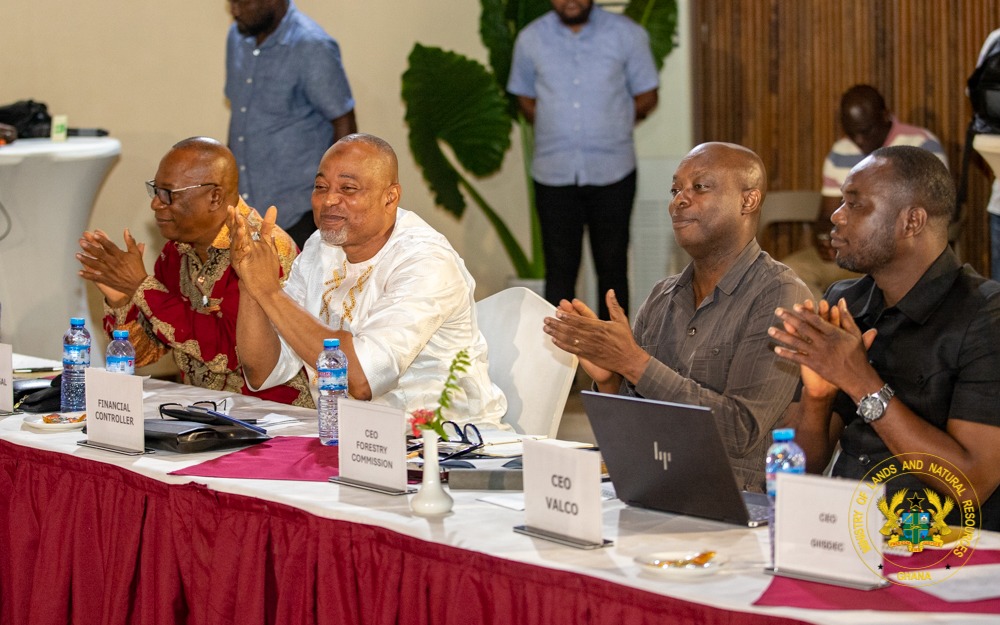
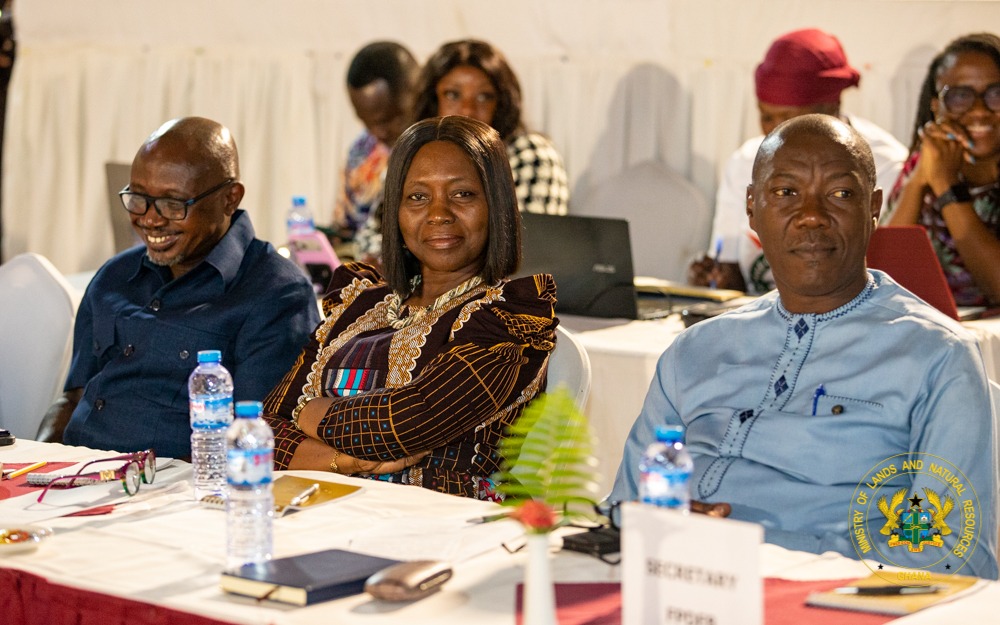
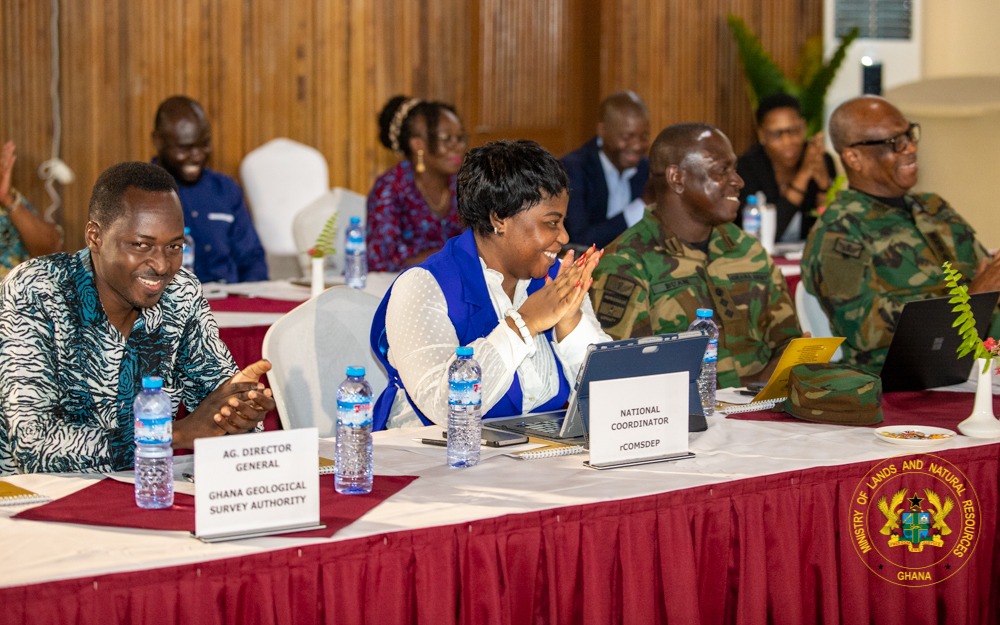
The Ministry of Lands and Natural Resources has set a results-driven agenda for 2026, as Heads of Agencies, Directors and Senior Officials converged at Ellenbele in the Western Region for a three-day management retreat under the theme ‘Ideate, Strategise, Deliver.’ The retreat brought together policy,and execution, with frank assessments of challenges and renewed commitments to […]
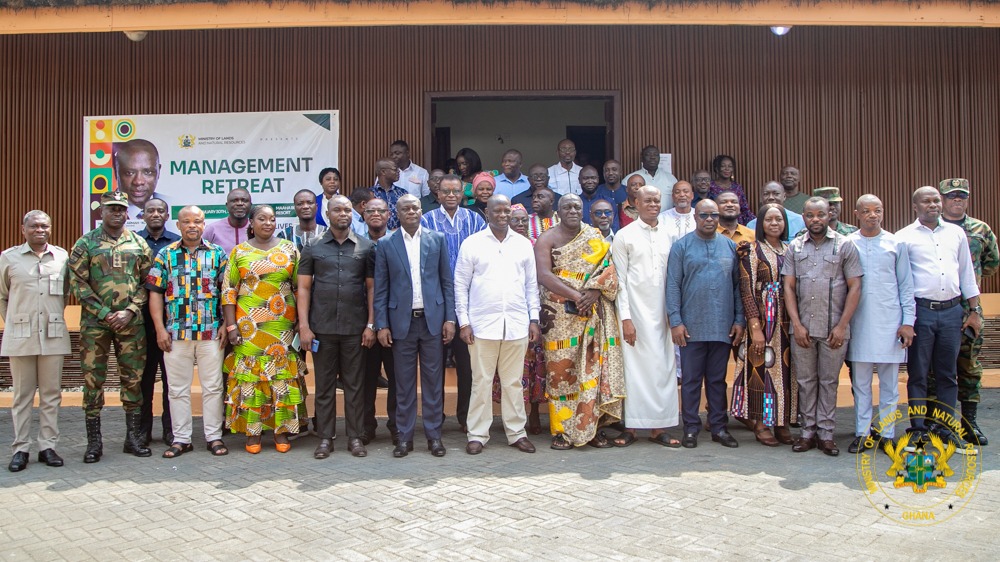
The Ministry of Lands and Natural Resources has set a results-driven agenda for 2026, as Heads of Agencies, Directors and Senior Officials converged at Ellenbele in the Western Region for a three-day management retreat under the theme ‘Ideate, Strategise, Deliver.’
The retreat brought together policy,and execution, with frank assessments of challenges and renewed commitments to accountability, inter-agency collaboration and sustainable resource management.
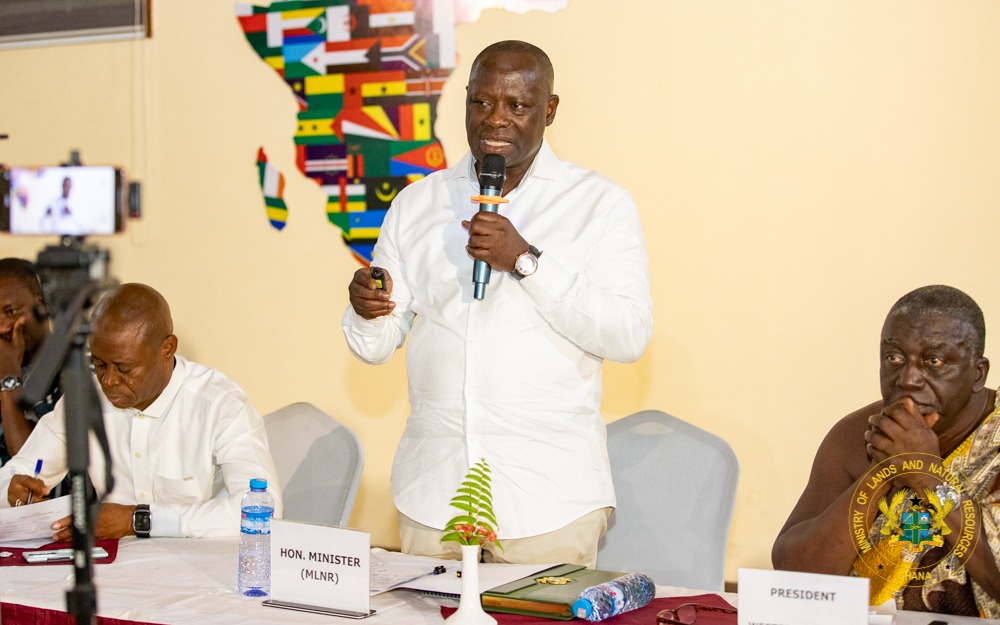
Opening the strategic discussions, the Minister for Lands and Natural Resources, Hon. Emmanuel Armah-Kofi Buah described the retreat as a turning point for how the Ministry plans, delivers and measures impact.
The Minister said “the only way we can achieve what we all plan to do is to strategise,” adding “every quarter, this is the plan, this is what we are going to do. Everybody must commit to it, and at the end of each quarter we must check our KPIs and hold ourselves accountable, so that by the end of the year we can say with confidence that we delivered.”
He explained that the 2026 focus goes beyond planning on paper. It is about strengthening teamwork across the Ministry and its agencies saying “this Ministry is the heartbeat of Ghana, and we mus take this responsibility seriously,”
Hon. Buah also mentioned that the Ministry’s mandate is clear to ensure the sustainable management and utilisation of Ghana’s lands, minerals, forests and wildlife resources for socio-economic development.
Turning to the forestry sub-sector, the Minister painted a sobering picture of the scale of devastation caused by illegal mining, particularly in the Ashanti, Western and Western North regions. He revealed that 44 forest reserves had been heavily degraded, with nine declared ‘red zones’ due to armed activity, and more than 6,000 hectares equivalent to nearly 8,000 football fields destroyed. “Some of these forests were preserved for over 150 years,” he said.
Despite the grim assessment, the Minister highlighted decisive government action. Under the President’s Tree for Life initiative, Ghana planted over 28 million trees in 2025, just short of the 30-million target, while more than 340 hectares of degraded mining land were reclaimed in partnership with the private sector.
He also announced Ghana’s historic achievement of securing the Forest Law Enforcement, Governance and Trade (FLEGT) licence, making the country the only African nation currently able to legally export timber to the European Union.
The retreat also spotlighted ecotourism and climate action as growth areas, with the Minister pointing to the vast, largely untapped potential of Western Region forests such as Ankasa. “What I saw convinced me these are natural ecotourism sites waiting to be developed,” he said, adding that Ghana has attracted international climate finance to support mitigation and adaptation efforts.
On lands administration, the Minister acknowledged long-standing challenges, including weak processes around public land acquisition, disputes and centralisation. He announced sweeping reforms, including full revenue retention from the Ministry of Finance to accelerate digitalisation, the rollout of land banks, expansion of district land offices from 35 to 110 in 2026, and the opening of additional regional offices. Plans are also underway to review the National Land Policy and operationalise the Land Act through a new legislative instrument, with a strong emphasis on customary land demarcation to reduce litigation involving traditional authorities.
Addressing mining, the Minister described illegal mining as one of Ghana’s most urgent national threats, citing severe pollution of rivers such as the Ankobra, Pra and Bia. “This is not just about mining; it is about public health, water security and the future of our children,” he said. He outlined a five-pronged strategy centred on public education, regulatory reform, land reclamation, alternative livelihoods and responsible mining.
Significant progress has already been made, he noted, including the revocation of regulations that permitted mining in forest reserves, the seizure of over 250 excavators, deployment of security forces, and the registration and GPS tracking of more than 1,800 excavators nationwide.
Adding a powerful traditional perspective, the President of the Western Regional House of Chiefs, Nana Kobina Nketsia V, commended the Ministry’s leadership and urged participants to ground their strategies in history, culture and mindset. “If you do not know what is under your feet, you will never understand why others want to take it from you,” he said, recounting a lesson on geology that has stayed with him for decades.
Nana Nketsia stressed that land and natural resources are communal assets, warning that legal frameworks borrowed from foreign systems continue to fuel disputes.
He called for genuine decentralisation and digitalisation of land administration, noting that communities should not have to travel long distances to register land in an era of modern technology.
He also challenged participants to rethink poverty and value in the extractive sector. “The person who truly needs my resources is not me; it is the one sitting abroad who depends on them,” he said.
As the retreat continues, participants are expected to translate the frank discussions into clear action plans aligned with the theme Ideate, Strategise, Deliver.
END
MLNR-PR UPDATES